ChLCD is a reflective display technology that uses ambient light to present images. Its bistable properties allow a static image to remain visible after an update without continuous power to retain the image. For locations that need information displayed for long periods without continuous video playback, full-color ChLCD electronic paper offers an option that combines digital content updates with energy efficiency.
From retail posters and public noticeboards to bus stop signs, airport information displays, and event wayfinding, choosing a display involves more than screen size and color. Ambient light, update frequency, power supply, and installation conditions also matter. This article explains how ChLCD works, its key characteristics, and practical planning considerations, with examples from real installations.

What Is ChLCD? Understanding Cholesteric Liquid Crystal Displays
ChLCD stands for Cholesteric Liquid Crystal Display. It forms images by selectively reflecting light through its liquid crystal structure, using a different approach from conventional LCDs that require a backlight.
Full-color ChLCD displays combine liquid crystal layers that reflect different colors to present color images and text. Actual color performance, resolution, and visibility depend on the panel model, lighting conditions, and content design. These factors should be evaluated together when selecting a display.
Another important characteristic is bistability: after an image update, the panel can retain the displayed content without continuous power for image retention. However, controllers, communication modules, and supplementary lighting may still consume electricity. Near-zero power for image retention does not mean that the entire system consumes no power.
Key Characteristics of Full-Color ChLCD Electronic Paper
1. Low-Power Characteristics for Long-Term Static Display
Many signs display information for hours each day but only need a few content updates. ChLCD retains an image after an update, reducing the need to continuously drive the display. This makes it suitable for announcements, posters, service information, and directional signage.
Actual power consumption and energy savings depend on panel size, update frequency, controller standby behavior, network connectivity, and lighting hours. Comparisons between LCD, LED, and ChLCD should use equivalent display sizes, operating hours, and application requirements.

2. Images Presented Using Ambient Light
ChLCD uses reflected light and does not require an internal backlight to display content. In daylight or well-lit environments, viewers can read the display using surrounding light. This makes it an option for window displays, outdoor notices, and other bright locations.
A reflective display still needs light to be visible. At night or in dim spaces, ambient lighting or supplementary illumination must be considered. Readability is also affected by installation angle, reflections from protective glass, viewing distance, and content contrast.


3. Full-Color Graphics and Digital Posters
ChLCD can display color photographs, brand graphics, event posters, and text. Digital content updates can reduce the work involved in repeatedly printing and replacing physical signage.
Reflective displays have a different visual appearance from light-emitting screens. Content should use clear subjects, sufficiently large text, and strong contrast. Color and readability should be checked in the intended installation environment.

4. Display Sizes and Tiled Configurations for Different Locations
Depending on available models and site requirements, ChLCD can be used as a standalone display or in a multi-panel configuration. Where a larger information area is needed, horizontal or other tiled arrangements can be evaluated.
Tiled installations require planning for panel borders, seams, mounting structures, wiring, and content segmentation. Important text and QR codes should avoid crossing panel seams. Display size and arrangement should be confirmed against actual site conditions.

Where Can ChLCD Be Used?
Storefront Windows and Retail Digital Posters
Retailers can use ChLCD to present product information, promotions, business hours, and brand visuals. When content needs periodic updates and does not rely on video, digital posters can be evaluated as an alternative to some printed displays.
Window installations require particular attention to glass reflections, sunlight direction, and nighttime lighting. A sample display or on-site trial is recommended to confirm the result.

Outdoor Notices and Event Wayfinding
At event entrances, service areas, and public spaces, ChLCD can display announcements, directional arrows, event information, and QR codes. Suitable mobile stands allow the display position to be adjusted to match visitor routes.
For battery- and solar-powered installations, capacity should be planned around daily energy consumption, update frequency, lighting requirements, local sunlight, and extended cloudy or rainy periods. Outdoor applications also require an appropriately protected complete unit and a suitable installation method.

Bus Stop Signs and Transport Information
Bus stops and transport facilities can evaluate ChLCD for route information, service notices, and other passenger information. Different types of information have different requirements for update speed and connection reliability, so the content and integration approach should be defined first.
Applications using live data should also account for connection failures, outdated information, and power interruptions. Retaining an image does not guarantee that the information remains current.

Healthcare Facilities, Campuses, and Public Noticeboards
Healthcare facilities, schools, offices, and government buildings often need to display service information, administrative notices, and event announcements for long periods. For content that does not require video, ChLCD offers an option for digitizing noticeboards.
Integration with existing systems should begin with a review of file formats, upload workflows, user permissions, and update mechanisms. Information containing personal data should be handled according to the site’s management requirements.
Choosing Between ChLCD, LCD, LED, and Printed Posters
Different display methods suit different tasks. Equipment selection should start with the content and use case, considering visual performance, update requirements, and total cost.
ChLCD: Static Information with Periodic Updates
ChLCD is suitable for announcements, digital posters, service information, and wayfinding. Its strengths include reflective viewing and static image retention. It is not suitable for continuous video or high-refresh-rate animation, and it requires lighting in dim environments.
LCD and LED: Video, Animation, and Dynamic Content
LCD or LED is generally more suitable when the application requires video, animation, rapidly changing graphics, or a light-emitting display. Selection should also consider brightness, resolution, viewing distance, power supply, and maintenance.

Printed Posters: Fixed Content and Simple Deployment
Printed posters do not require electronic equipment and can suit infrequently updated content, limited budgets, or short-term use. Where content changes frequently, printing, delivery, and replacement labor can be compared with the total cost of a digital display system.
ChLCD can help reduce repeated printing and on-site replacement work. Cost and environmental assessments should also include equipment manufacturing, service life, power consumption, and end-of-life replacement, based on the actual application.
What Should Be Confirmed Before Installation?
- Operating environment: Confirm indoor or outdoor use, sunlight, rain exposure, temperature, and lighting conditions.
- Content type: Confirm whether the content consists mainly of static graphics and text, and whether live data integration is required.
- Viewing requirements: Select the display size and layout based on viewing distance, text size, and content design.
- Update method: Confirm standalone operation, local network or cloud management requirements, and supported functions.
- Power supply: Evaluate mains power, batteries, or solar power, including communication and lighting consumption.
- Mounting structure: Confirm brackets, load capacity, fixing methods, wiring, and maintenance access.
- Product specifications: Check the protection rating, operating temperature, and other requirements against the specifications of the selected complete unit.
The following video shows a ChLCD device in use. For outdoor installations, confirm the protection rating, operating temperature, and power configuration of the selected model.
Content Updates and Management
The value of digital signage depends on both the display and how conveniently its content can be managed. Depending on the selected controller and software, a ChLCD system can support workflows such as uploading images, switching content, or managing multiple devices.
Supported file formats, connection methods, scheduling, and tiled-display functions should be confirmed for the delivered system version. For multi-site management or automated data integration, network conditions and operating workflows should be defined before planning the integration.

ChLCD Case Studies: Singapore National Day Events and Kaohsiung Airport
Singapore National Day Events: Information Displays and Wayfinding
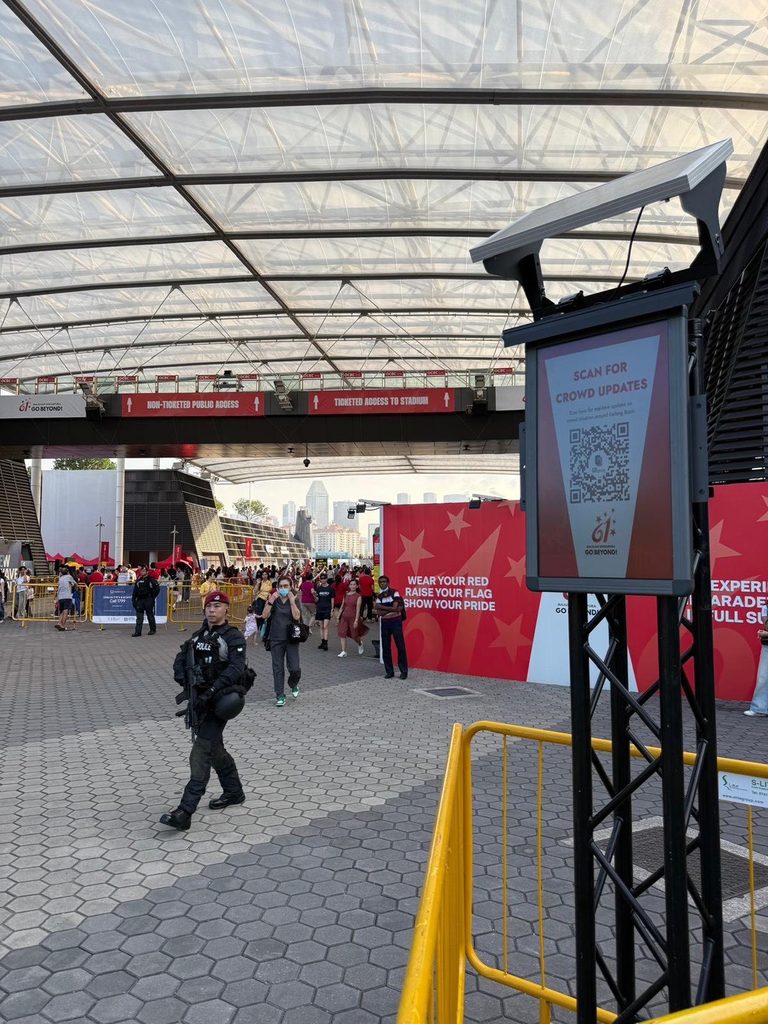
At National Day-related events in Singapore, ChLCD displays were used for event information, public announcements, and directional guidance. Suitable stands and power configurations allowed the displays to be positioned according to the event layout, presenting color graphics, text, and QR codes.
These applications require information to remain visible for long periods, with updates when needed. They provide a practical reference for evaluating low-power public information displays.
Related Case Study: ChLCD Displays at Singapore National Day Events
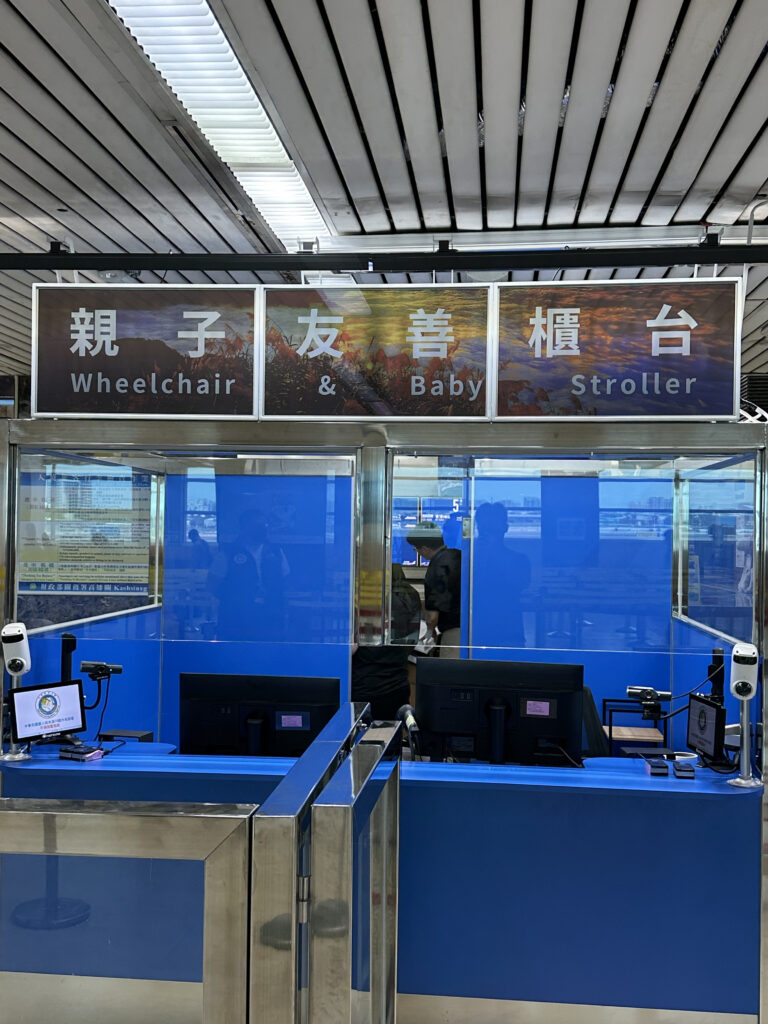
Kaohsiung Airport: Three 31.5-Inch Panels for a Family-Friendly Counter
A family-friendly counter at Kaohsiung Airport uses three 31.5-inch ChLCD panels arranged horizontally. The panels form a large information display, with backgrounds and content that can be updated as required.
This installation also illustrates key considerations for tiled displays. In addition to alignment and mounting structures, content must be designed around panel seams to keep important text and images clear and readable.
Related Case Study: ChLCD Three-Panel Display at Kaohsiung Airport
Frequently Asked Questions About ChLCD
Q1. Does a ChLCD display need continuous power?
A ChLCD panel uses its bistable properties to retain a static image after an update without continuous power for image retention. However, the system’s controller, communication modules, and lighting may still consume electricity. Power requirements depend on the system configuration.
Q2. Can ChLCD play videos or animations?
The ChLCD solutions described here are designed for static graphics and text with periodic updates. They do not support continuous video or animation playback. LCD or LED should be considered when moving content is the main requirement.
Q3. Can ChLCD be viewed at night?
ChLCD requires ambient light to be visible. At night, existing lighting or supplementary illumination can be used. Readability should be tested based on lighting position, viewing distance, and content contrast.
Q4. Can ChLCD be installed outdoors?
Outdoor installations require a suitable complete unit, with its protection rating, operating temperature, waterproof connections, and mounting method confirmed. An indoor model should not be treated as an outdoor model simply because its panel uses reflective display technology.
Q5. Can multiple ChLCD panels be tiled together?
Multi-panel configurations can be planned where supported by the product and system. The Kaohsiung Airport installation uses three panels arranged horizontally. Physical seams remain between the panels, so the mounting structure and content layout must be planned together.
Contact Us to Discuss Your ChLCD Project
We help evaluate ChLCD display equipment, content management, and system integration requirements. Depending on your site, we can discuss standalone displays, tiled installations, public noticeboards, and digital poster applications.
Please share site photographs, intended display dimensions, equipment quantities, indoor or outdoor conditions, and content update requirements so we can help assess a suitable configuration. Equipment suppliers, system integrators, advertising businesses, and potential partners are also welcome to contact us.
Email: chengjutsai@yufuyufu.tw
WhatsApp: +886 983 921 088